Achieving Resilience and Sustainability for a Better Future

In the face of changing climates, shifting economies, and evolving social landscapes, mountain communities and ski resorts are uniquely positioned to lead the way toward a more sustainable and resilient future. These regions face distinct challenges, from unpredictable weather patterns to economic fluctuations tied to tourism seasons. Yet, they also hold incredible potential to innovate and adapt. By embracing sustainable resilience strategies, we can build stronger, healthier communities that thrive in harmony with their environment.
Understanding Sustainable Resilience Strategies
Sustainable resilience strategies are about more than just bouncing back from adversity. They involve proactive planning and thoughtful action to ensure long-term well-being for both people and the planet. For mountain communities and ski resorts, this means integrating ecological health, social equity, and economic stability into every decision.
To start, it’s essential to recognize the interconnectedness of these elements. For example, protecting local watersheds not only preserves biodiversity but also supports tourism and local agriculture. Similarly, investing in community education and equitable access to resources strengthens social bonds and economic opportunities.
Here are some practical steps to consider:
Assess local vulnerabilities: Identify environmental risks such as erosion, wildfire, or water scarcity.
Engage community members: Include diverse voices in planning to ensure solutions meet real needs.
Promote renewable energy: Transition to solar, wind, or geothermal to reduce carbon footprints.
Support local economies: Encourage businesses that prioritize sustainability and fair labor practices.
Enhance infrastructure: Build or retrofit facilities to withstand extreme weather and reduce waste.
By weaving these strategies together, communities can create a resilient fabric that supports everyone.

Practical Examples of Sustainable Resilience Strategies in Action
Let’s explore some real-world examples that illustrate how sustainable resilience strategies can be implemented effectively.
Water Management in Mountain Regions
Water is a precious resource in mountain areas, often affected by seasonal snowmelt and drought. One ski resort implemented a comprehensive water conservation program that included:
Installing low-flow fixtures in lodges and restaurants.
Capturing and reusing snowmelt for irrigation.
Educating visitors on water-saving practices.
This approach not only reduced water consumption by 30% but also lowered operational costs and enhanced the resort’s reputation as an eco-friendly destination.
Community-Led Forest Restoration
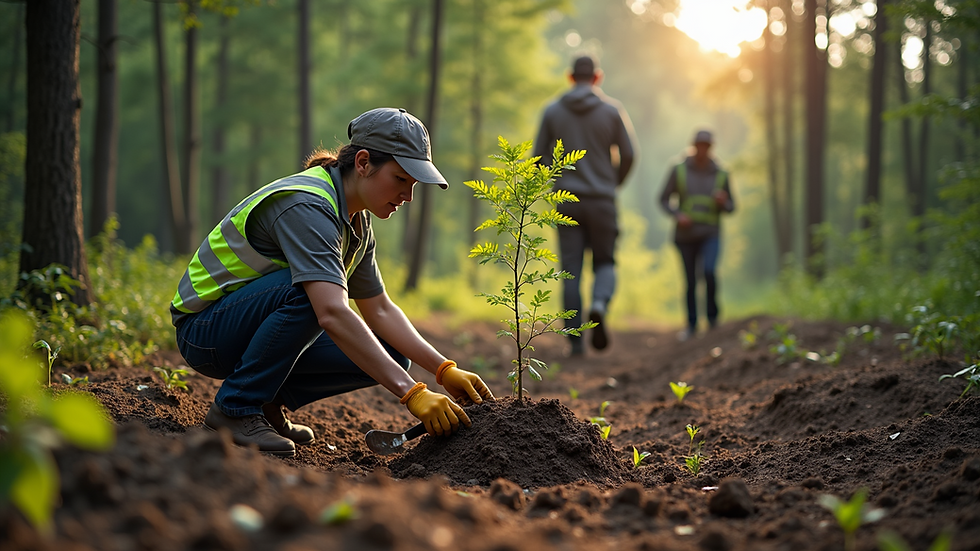
In a mountain town prone to wildfires, residents partnered with local environmental groups to restore native forests. They organized volunteer days to plant fire-resistant trees and clear underbrush. This effort improved ecosystem health, reduced fire risk, and created jobs for locals.
Diversifying Local Economies
Relying solely on winter tourism can leave communities vulnerable during off-seasons or poor snow years. Some ski resorts have diversified by developing summer activities like hiking, mountain biking, and cultural festivals. This diversification stabilizes income and attracts a broader visitor base.
These examples show that sustainable resilience strategies are not abstract concepts but actionable plans that yield tangible benefits.
How to Integrate Sustainable Resilience Strategies into Your Community or Organization
Implementing these strategies requires a thoughtful, step-by-step approach. Here’s a practical roadmap to guide your efforts:
Conduct a Resilience Assessment: Evaluate environmental, social, and economic risks specific to your location.
Set Clear Goals: Define what resilience and sustainability mean for your community or organization.
Build Partnerships: Collaborate with local governments, nonprofits, businesses, and residents.
Develop Action Plans: Create detailed strategies with timelines, responsibilities, and measurable outcomes.
Secure Funding: Explore grants, public-private partnerships, and community fundraising.
Implement and Monitor: Put plans into action and track progress regularly.
Adapt and Improve: Use feedback and data to refine strategies over time.
Throughout this process, communication is key. Keeping everyone informed and involved fosters trust and shared ownership of the outcomes.
The Role of Technology and Innovation in Sustainable Resilience Strategies
Technology can be a powerful ally in building resilience and sustainability. From smart sensors that monitor water quality to apps that engage visitors in conservation efforts, innovation opens new doors.
For instance, some mountain resorts use advanced weather forecasting tools to optimize snowmaking and reduce energy use. Others employ GIS mapping to identify vulnerable habitats and plan restoration projects more effectively.
Moreover, digital platforms can facilitate community engagement by gathering input, sharing updates, and coordinating volunteer activities. These tools make it easier to stay connected and responsive.
However, technology should complement—not replace—local knowledge and values. Combining modern tools with traditional wisdom creates the most robust solutions.
Embracing a Future of Resilience and Sustainability Together
Building a better future requires us to embrace resilience and sustainability as guiding principles. It means recognizing that our well-being depends on the health of our environment and the strength of our communities.
By adopting sustainable resilience strategies, mountain communities and ski resorts can:
Protect natural resources for generations to come.
Foster inclusive, vibrant economies.
Enhance quality of life for residents and visitors alike.
This journey is ongoing, and every step forward counts. Together, we can create landscapes and societies that not only survive challenges but flourish through them.
Let’s commit to this path with hope, determination, and a shared vision for a thriving, sustainable future.


Comments